BOOK REVIEWS: Queen Esther: John Irving
Published 7:59 am Monday, February 23, 2026
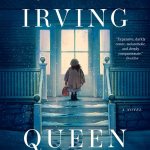

Queen Esther: John Irving
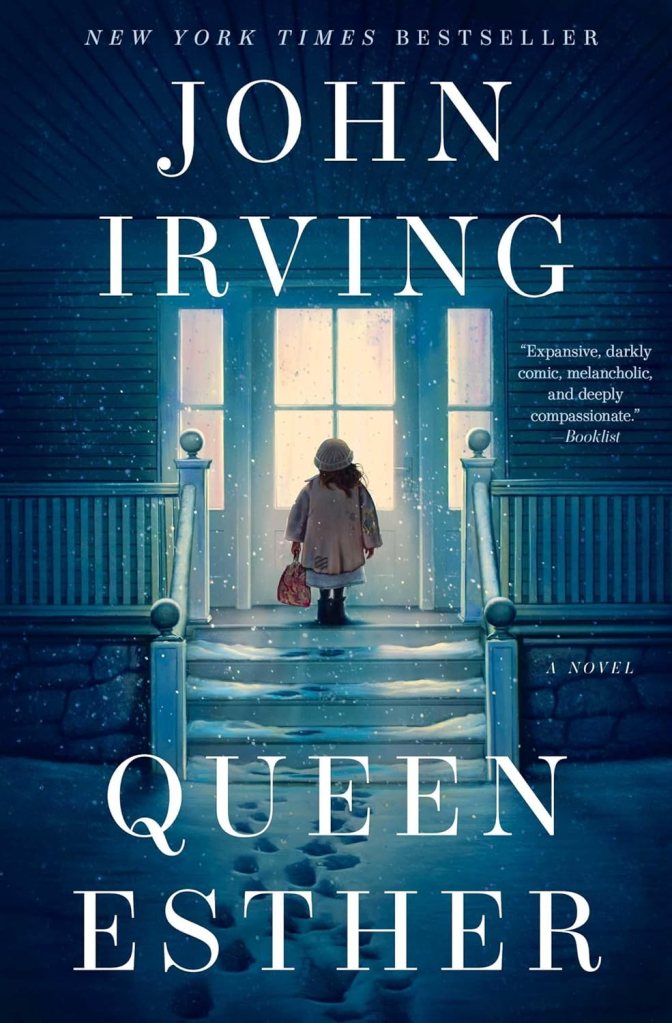
Don’t read John Irving’s latest novel, “Queen Esther,” based on hearing it’s a sequel to “Cider House Rules.”
“Queen Esther” revisits Dr. Wilbur Larch and the orphanage from “Cider House Rules” but that visit is short – only a few pages in the beginning of the book.
While early publicity and the “Queen Esther” book jacket synopsis focus on Larch and the orphanage, Irving visits at least one other character from earlier works, too. Berta, a Viennese prostitute from “The World According to Garp,” has a cameo in “Queen Esther.”
But Larch’s role in “Queen Esther” isn’t the only misleading part of the book jacket summary. Or even the title. One might think in a book called “Queen Esther,” and from her spotlight role in the synopsis, that Esther would be the novel’s protagonist. She is not.
The main character is James Winslow. Esther is adopted from Larch’s orphanage to serve as the nanny for the Winslow family’s fourth and youngest daughter. Esther is a Jewish girl whose father dies on the ship to America and whose mother is killed by anti-Semites shortly after arriving in the U.S.
The Winslows adopt Esther to serve as nanny to their fourth and youngest daughter, Honor. Skipped ahead several years, Esther agrees to bear a baby for Honor to raise. James is the issue of this agreement.
Readers follow James’ childhood as the only male (with exception of his grandfather) in a house full of women. The majority of the book follows James’ time as a student in Vienna. Honor pushes James to have a child with a girl – any girl, any woman – there so he can avoid military service in Vietnam.
But Esther is nowhere to be found after James’ birth. Too bad. “Queen Esther” comes alive with her arrival then feels her long absence for the rest of the book.
The title, the book jacket summary and the publicity promise Larch, the orphanage and Esther as likely chief characters. The book delivers something else.
It’s not bad. Long-time Irving readers will find familiar themes: LGBTQ rights, wrestling, tattoos, following a character from childhood to adulthood, etc. It’s just not in the context that one expects.
Still, even though Esther is only present on a few pages, she looms over this book. James wonders if he will ever meet his birth mother. Esther sets things in motion behind the scenes that help James and the Winslows. There are traces of rumors of the work Esther is doing in post-World War II Israel.
“Queen Esther” is a good read but readers looking for more Esther or “Cider House Rules” connections will be disappointed.
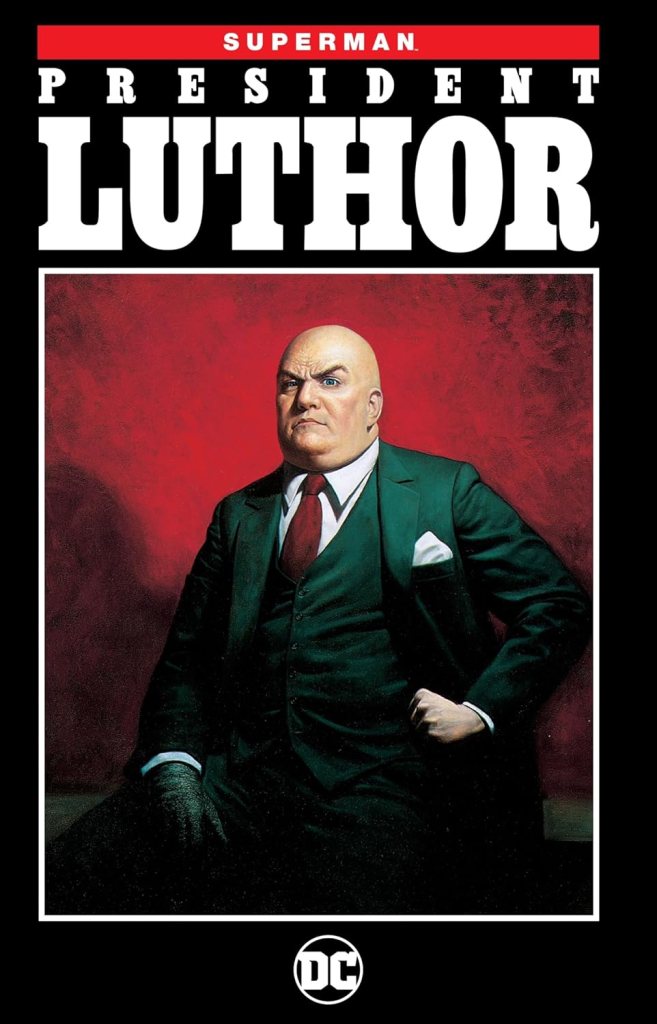
Superman: President Luthor
If a genius’ plots to conquer the world repeatedly fail, why not run for President of the United States?
In 2001, “Superman” comics asked that question of super villain Lex Luthor. “Superman: President Luthor” collects issues featuring Luthor’s election and inauguration to the presidency.
Let’s just say it’s a fascinating trade paperback to revisit in 2026 America. For decades of “Superman” comic books, Luthor has been bent on world domination as either a brilliant mad scientist or ruthless billionaire businessman or any combination of both and numerous things in between. As president, he places his multi-billion-dollar businesses into a blind trust. Huh, what a novel idea.
The main thrust of the issues collected in “President Luthor” involve reactions and responses to his election. Superman is disillusioned and disappointed that Americans elected Luthor despite everything they know about him. Batman attempts to thwart Luthor’s inauguration until Luthor threatens to use the entirety of the U.S. military to hunt down and destroy Batman and his associates.
“President Luthor” explores what happens when a known super villain grabs power through legitimate means. Marvel Comics did something similar by having Wilson Fisk, the criminal overlord Kingpin, elected New York mayor. Dr. Doom recently succeeded in world dominance in Marvel’s “One World Under Doom.”
“President Luthor” is mostly a lighter storyline than readers might expect. The “unauthorized biography” portion is the dark and gritty treatment one does expect.